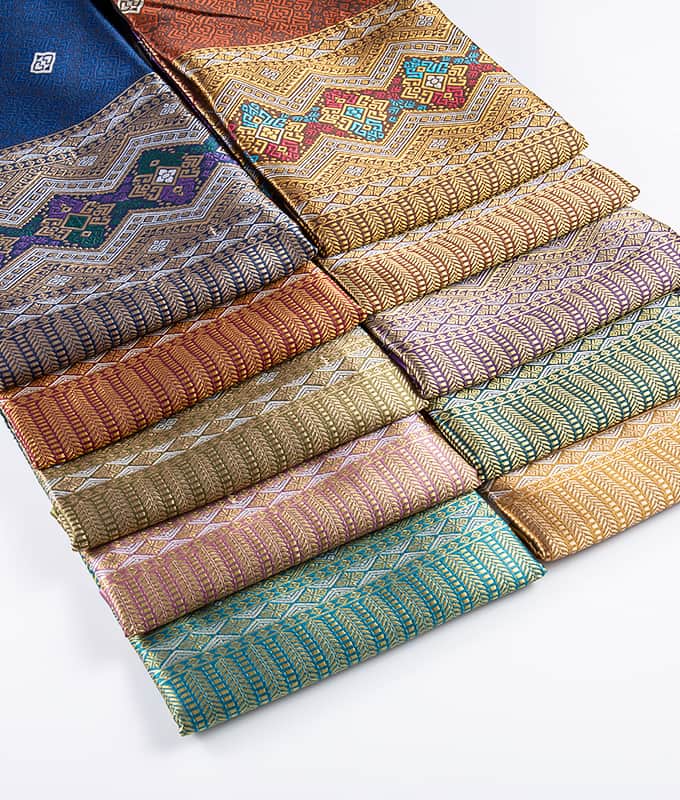
Déanann an Fabraic poileistir do Sciorta Sarong Traidisiúnta Oirdheisceart na hÁise oidhreacht agus nua-aimsearthacht a dhroichead. Fréamhaithe i d...
See Details


Oirdheisceart na hÁise Treoir Fabraic Sarong Traidisiúnta Náisiúnta
Nuacht Tionscal-an “ fabraic sarong traidisiúnta náisiúnta ” ar fud Oirdheisceart na hÁise is fearr a thuigtear mar theaghlach de theicstílí fillte —éadaí fad sarong is coitianta a dhéantar i dteicnící sínithe mar baitíc , iata , agus amhránaí , each tied to specific countries, ceremonies, and weaving communities. Indonesian baitíc, fnó example, is formally recognized by UNESCO as intangible cultural heritage (inscribed in 2009). :contentReference[oaicite:0]{index=0}
Rud a áirítear mar “fabraic sarong” in Oirdheisceart na hÁise
In Southeast Asia, “sarong” can mean either a tubular garment or a rectangular cloth wrapped and secured at the waist. The fabric is often decorated using batik or iata methods, or woven as brocade-like luxury cloth (amhránaí). :contentReference[oaicite:1]{index=1}
Méid praiticiúil a fheicfidh tú i siopaí
Athraíonn méideanna de réir tíre agus stíl éadaigh, ach cuidíonn na tagairtí fíor-domhan seo leat ceannach i gceart:
- Maenmar longyi: thart ar 2 m ar fad agus 80 cm ar leithead , commonly sewn into a cylinder. :contentReference[oaicite:2]{index=2}
- sampot Cambóidis chang kben (drape fillte, cosúil le bríste): a luadh mar éadach dronuilleogach thart ar 3 m ar fad agus 1 m ar leithead . :contentReference[oaicite:3]{index=3}
- Na hOileáin Fhilipíneacha Theas malong: cur síos air mar thart ar 4 slat ar fad agus ~ 50 orlach ar airde (often tubular). :contentReference[oaicite:4]{index=4}
Na trí bhunchloch “fabraicí sarong traidisiúnta náisiúnta”
Más mian leat cluiche ard-mhuiníne atá bunaithe ar chultúr le “fabraic sarong traidisiúnta náisiúnta Oirdheisceart na hÁise,” is iad seo na trí theicníocht a chaithfidh tú go minic i dtíortha agus i gcomhthéacsanna caitheamh foirmeálta.
| Fabraic / teicníc | Conas a dhéantar é | Cluas amhairc | Cás úsáide is fearr |
|---|---|---|---|
| Baitíc | Dathú céir-resistant ar éadach; siombalachas móitífeanna domhain | Imill mhóitífeanna briosc; patrúin siombalacha a athrá | Caitheamh laethúil go searmanais; íocónach san Indinéis |
| Ikat | Cuir in aghaidh ruaimniú snátha roimh fhíodóireacht | Imill phátrúin “doiléir” nó cleiteacha boga | Éadaí wrap durable; fíodóireacht oidhreachta ar fud an réigiúin |
| Songket | Lámhfhite le inneach forlíontach ag baint úsáide as snáitheanna miotalacha | Móitífeanna óir/airgid glioscarnach (éifeacht brocade) | Póstaí, ócáidí stáit, feisteas foirmiúil (domhan Malaeis) |
Indonesian batik is internationally recognized by UNESCO for its techniques, symbolism, and cultural role (inscribed in 2009). :contentReference[oaicite:5]{index=5} Ikat is widely described as a Southeast Asian-origin resist-dye method applied to yarns prior to weaving, producing its characteristic softened pattern boundaries. :contentReference[oaicite:6]{index=6} Songket is consistently defined as a handwoven textile with gold or silver threads, historically spread across the Malay world (including Indonesia, Malaysia, Brunei). :contentReference[oaicite:7]{index=7}
Conas fabraic sarong barántúil a aithint vs priontaí turasóireachta
Ní gá duit a bheith i do shaineolaí ar theicstíle - bain úsáid as roinnt seiceálacha ardchomhartha a léiríonn go díreach conas a dhéantar na fabraicí seo.
Batik: lorg “méarloirg” próisis, ní móitífeanna amháin
- If a piece is marketed as heritage batik but the pattern looks perfectly uniform on both sides with no dye-depth variation, it may be a surface print rather than a resist-dyed cloth (batik is defined by technique and cultural practice, not just visual style). :contentReference[oaicite:8]{index=8}
- Ask for the technique: sellers who can describe wax-resist steps and motif meaning usually deal in higher-integrity work, consistent with UNESCO’s framing of batik as technique symbolism culture. :contentReference[oaicite:9]{index=9}
Ikat: is gné í an “doiléir”, ní locht
Ikat’s hallmark is that yarns are resist-dyed before weaving, so the pattern alignment naturally creates slightly feathered edges; a perfectly sharp, pixel-like ikat motif can indicate digital printing. :contentReference[oaicite:10]{index=10}
Songket: dearbhaigh fíodóireacht snáithe miotalach, ní dúch miotalach
Songket is described as a handwoven fabric where metallic threads are inserted as supplementary weft, producing a true raised shimmer. If the shine disappears when you tilt it and the surface feels flat like ink, treat “amhránaí” as a marketing label rather than a weaving structure. :contentReference[oaicite:11]{index=11}
Samplaí a bhaineann go sonrach le tír ar leith a léiríonn úsáid “traidisiúnta náisiúnta”.
Tá éagsúlacht ag baint le Oirdheisceart na hÁise, ach tá roinnt péireálacha cobhsaí go háirithe más mian leat samplaí “fabraic sarong traidisiúnta náisiúnta” le haghaidh taistil, bronntanais nó caitheamh cultúrtha.
- an Indinéis: Batik is a nationally emblematic textile tradition recognized by UNESCO (2009). :contentReference[oaicite:12]{index=12}
- Maenmar: Tá an longyi (timfhilleadh cosúil le sarong) caite go forleathan; Tá méid tagartha coitianta ~2 m × 80 cm . :contentReference[oaicite:13]{index=13}
- Domhan Malaeis (an Mhalaeisia / Brúiné / codanna den Indinéis): Songket is a signature ceremonial fabric woven with gold or silver threads. :contentReference[oaicite:14]{index=14}
- An Chambóid: I measc na gcóras éadach draped traidisiúnta tá foirmeacha sampot; sampla doiciméadaithe amháin is ea éadach dronuilleogach ~3 m ar fad agus 1 m ar leithead for sampot chang kben. :contentReference[oaicite:15]{index=15}
- Na hOileáin Fhilipíneacha Theas: Is éadaigh tubular é an malong; tá méid tagartha ~4 slat ar fad agus ~50 orlach ar airde . :contentReference[oaicite:16]{index=16}
Seicliosta ceannaigh: roghnaigh an fabraic cheart le haghaidh teas, searmanas, agus buiséad
Bain úsáid as seo mar uirlis phraiticiúil cinnteoireachta agus tú ag siopadóireacht i margaí nó ar liostaí ar líne.
Más gá duit sarong laethúil
- Roghnaigh cadás breathable nó cadás-cumasc; tosaíocht a thabhairt do leithead/fad compordach gar do noirm réigiúnacha (m.sh. tagairtí longyi timpeall 2 m × 80 cm ). :contentReference[oaicite:17]{index=17}
- For ikat, accept minor pattern “softness” as normal for yarn-resist weaving. :contentReference[oaicite:18]{index=18}
Má theastaíonn teicstíle searmanais/foirmeálta uait
- Pioc amhránaí when you want visible prestige—its defining feature is supplementary weft metallic threads (gold/silver). :contentReference[oaicite:19]{index=19}
- Pioc culturally grounded baitíc when motif meaning matters; UNESCO specifically frames batik as technique symbolism embedded in life events. :contentReference[oaicite:20]{index=20}
Ceisteanna tapa cáilíochta le cur ar an díoltóir
- Is it wax-resist dyed (batik), yarn-resist woven (ikat), or metallic-thread woven (songket)? :contentReference[oaicite:21]{index=21}
- Cad é an méid cruinn i cm nó méadair (ná bí ag brath ar "méid amháin")? Bain úsáid as tagairtí cosúil le ~2 m × 80 cm for longyi-type wraps. :contentReference[oaicite:22]{index=22}
- What fiber is it (cotton vs silk)? Songket is commonly described as silk or cotton with metallic threads. :contentReference[oaicite:23]{index=23}
Cúram agus stóráil: coinnigh fabraic traidisiúnta sarong inchaite ar feadh na mblianta
Traditional sarong fabric longevity depends on matching care to construction—especially for dyed surfaces (batik), yarn-dyed weaves (ikat), and metallic-thread structures (songket). :contentReference[oaicite:24]{index=24}
- For batik: avoid harsh detergents and prolonged direct sun; batik is defined by hand-applied resist and dyed cloth culture, so treat it as a dyed textile, not a “printed towel.” :contentReference[oaicite:25]{index=25}
- For ikat: hand-washing reduces abrasion on yarn-dyed patterning created before weaving. :contentReference[oaicite:26]{index=26}
- For songket: store folded with soft tissue or cloth layers to reduce snag risk on metallic threads inserted during weaving. :contentReference[oaicite:27]{index=27}
Bunlíne: an rogha is fearr "fabraic sarong traidisiúnta náisiúnta".
Má theastaíonn freagra ard-chreidiúnachta amháin uait: roghnaigh batik Indinéisis don tagairt náisiúnta fabraic sarong traidisiúnta is mó aitheanta (UNESCO-inscribed in 2009), agus roghnaigh amhránaí or iata when your goal is respectively formal prestige or heritage weaving identity across Southeast Asia. :contentReference[oaicite:28]{index=28}
Gaolmhar táirgí
-
-
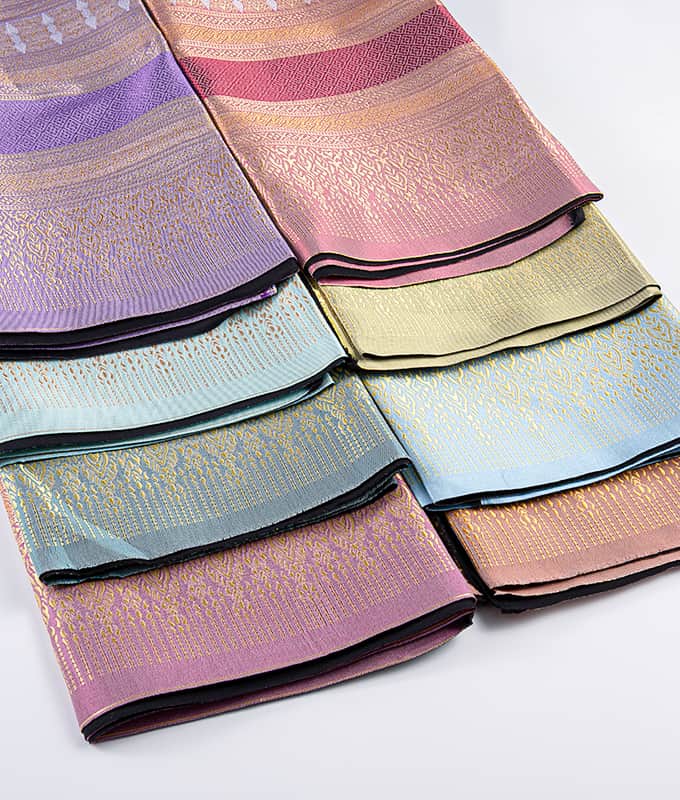
Tá an Fabraic poileistir do Sarong Téalainnis Traidisiúnta Coitianta déanta as filiméid poileistear roghnaithe go cúramach, le rialú cáilíochta dia...
See Details -
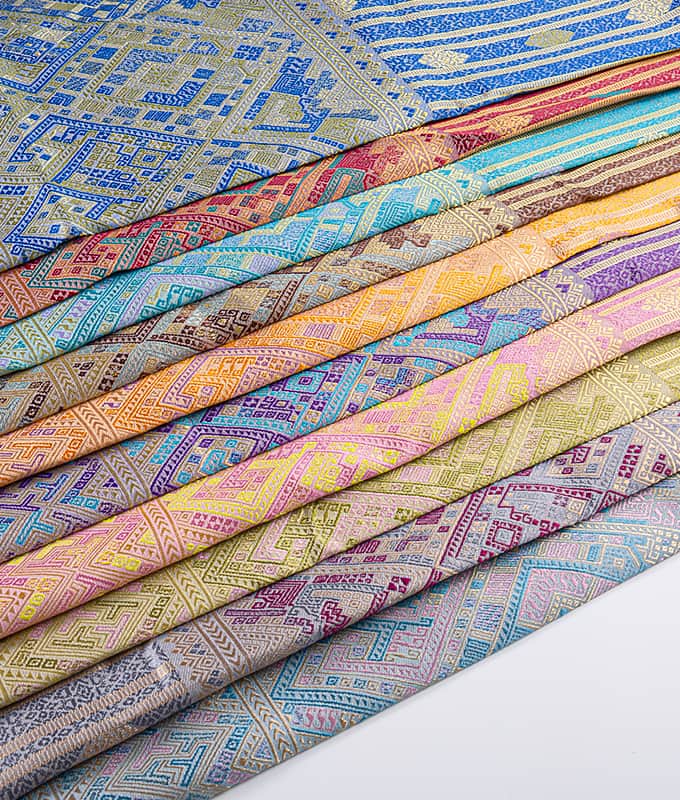
Fabraic Jacquard poileistir Hollow do Laotian Traidisiúnta Sarong - comhleá foirfe d'oidhreacht chultúrtha Lao agus nuálaíocht snáithín nua-ai...
See Details -
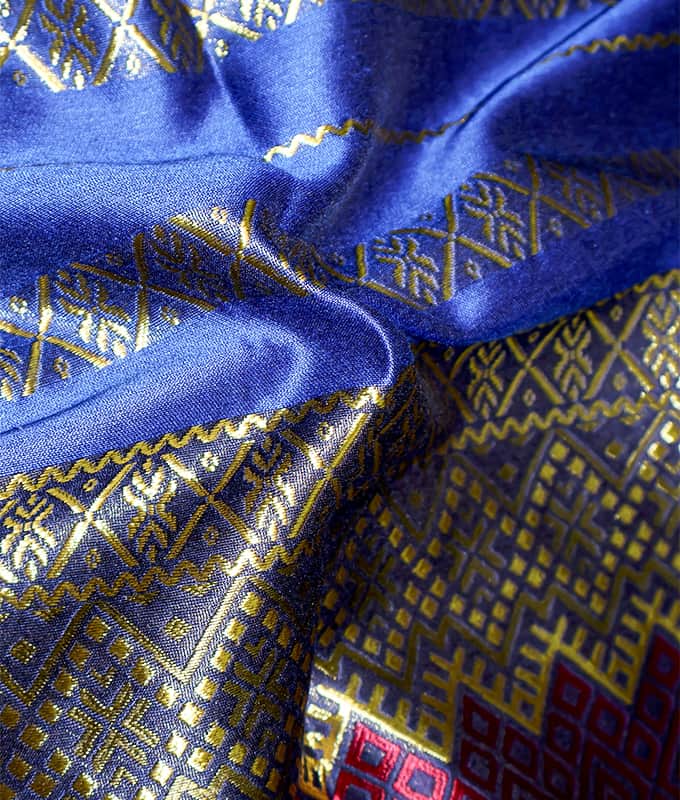
Patrún Jacquard poileistir 100% Fabraic Sarong Daite Oirdheisceart na hÁise - buan, bríomhar, agus éasca le cúram a thabhairt dó, deartha chun áill...
See Details -
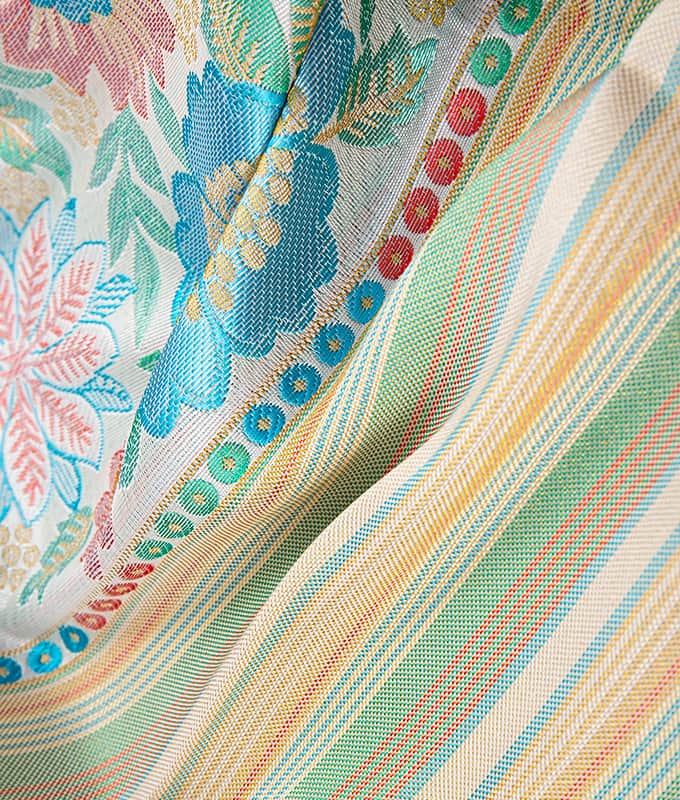
Fabraic Polai-cadáis Priontála Lus na Gréine do Sarong - fabraic bhríomhar spreagtha ag lus na gréine, ag radiating fuinnimh agus gile. Déanta le p...
See Details -
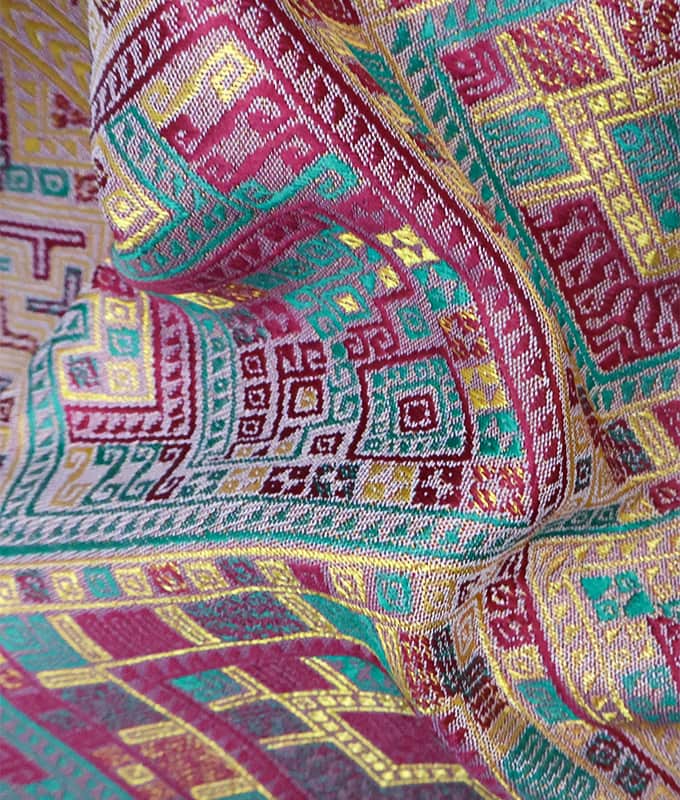
Fabraic Jacquard poileistir cosúil le síoda le haghaidh Téalainnis Pha Sinh Sarong - a chomhcheanglaíonn áilleacht uigeachta cosúil le síoda le cea...
See Details

